
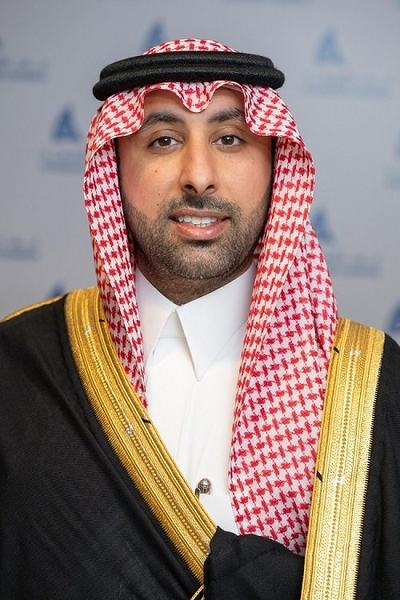
Asharqia Chamber Chairman, Fahad bin Abdullah Al-Farraj, affirmed that the Vision 2030 Annual Report for 2025 proves that “our national economy has become stronger and more resilient in facing global and regional challenges,” highly valuing the unlimited support and sound guidance of the Custodian of the Two Holy Mosques and His Royal Highness the Crown Prince, may Allah protect them, which have been the main driver in enhancing the dynamism of the national economy and stimulating the growth of non-oil activities, which now account for more than 55% of GDP, clearly reflecting the success of economic diversification policies in reducing dependence on oil.
Al-Farraj said that the Vision’s annual report for 2025 and the exceptional achievements it contains go beyond merely “documenting successes” to form a “strategic document” reflecting the success of the largest economic transformation in the Kingdom’s history. He affirmed that the wise vision of the leadership is what led us to this “reform maturity,” with around 93% of the performance indicators for the targets achieved, consolidating the targets of sustainable transformation, especially with the accelerating pace of implementation and the approach of the Vision’s final stage.
Al-Farraj explained that the transformation under way is no longer based on temporary initiatives, but is supported by more stable and sustainable economic frameworks, as demonstrated by the national economy recording growth of 4.5% last year, the highest rate in three years, reflecting its ability to maintain growth momentum despite external changes. He highlighted the historic presence of the private sector, whose contribution to the national economy rose to around 51%, surpassing the annual target and confirming its pivotal role as a main anchor in the sustainable development journey.
He stressed that the report’s indicators, taken together, reflect the national economy’s transition, within the implementation of the Vision, from the restructuring stage to the stage of maximizing returns, where efforts to attract investment integrate with the development of the productive sectors, contributing to enhancing the competitiveness of the national economy at the regional and international levels.