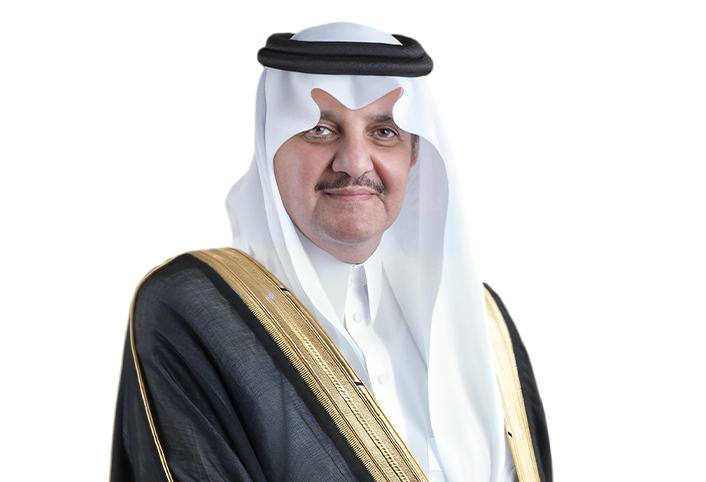
HRH Prince Saud bin Naif bin Abdulaziz, Governor of the Eastern Province, will sponsor Waqf Practices Forum 2026, titled “Legislation That Stimulates the Growth and Disbursement of Endowments.” The forum is organized by Asharqia Chamber, represented by its Social Responsibility Center, at its main headquarters on Sunday, November 15, 2026, with the participation of a select group of specialists and those interested in the waqf sector.
The forum aims to highlight the legislative and regulatory frameworks that support the growth of endowments, enhance the efficiency of their management, and develop their assets, thereby helping to sustain their resources and expand their social and developmental impact.
Chairman of Asharqia Chamber’s Board of Directors, Fahad bin Abdullah Al-Farraj, expressed his appreciation for the sponsorship of HRH the Governor of the Eastern Province and his continued support for the Chamber’s programs and initiatives. He affirmed that this sponsorship reflects HRH’s commitment to stimulating development and community initiatives and strengthening the Chamber’s role in serving the business sector and the community. He noted that HRH’s support is an incentive to continue launching high-quality programs that contribute to sustainable development and strengthen partnerships among the public, private, and nonprofit sectors, in line with the aspirations of the Eastern Province and national development goals.
The forum is being held as part of Asharqia Chamber’s commitment to advancing social responsibility, supporting initiatives that contribute to the development of the nonprofit sector, and raising awareness of modern waqf practices. It also provides a space for dialogue and the exchange of expertise among those involved in endowments, and for discussing key legislation and practices that can help develop waqf assets and achieve financial sustainability. He noted that discussing legislation that stimulates the growth and disbursement of endowments is highly important to building confidence in waqf work, developing its management mechanisms, and improving the efficiency with which its returns are directed toward designated objectives and beneficiaries, achieving a lasting impact that extends beyond immediate needs to create long-term developmental value.
Al-Farraj explained that the waqf sector is an important contributor to sustainable development, given its role in supporting community initiatives, strengthening social solidarity, and helping fund charitable and development activities. He noted that advancing waqf practices requires coordinated efforts among the relevant entities and the establishment of an institutional culture founded on governance, transparency, and efficiency in managing and developing assets.
The forum targets those interested in the waqf sector, waqf trustees, workers in the nonprofit sector, and specialists in legal, financial, and administrative fields. It aims to foster the exchange of expertise and support the development of more efficient and sustainable practices for managing and developing endowments.